


NOVACES Supports Economic Recovery in Lusk, Wyoming, After Devastating Flooding, DR-4227-WY, June 2015
Client: U.S. Department of Commerce, Economic Development Administration
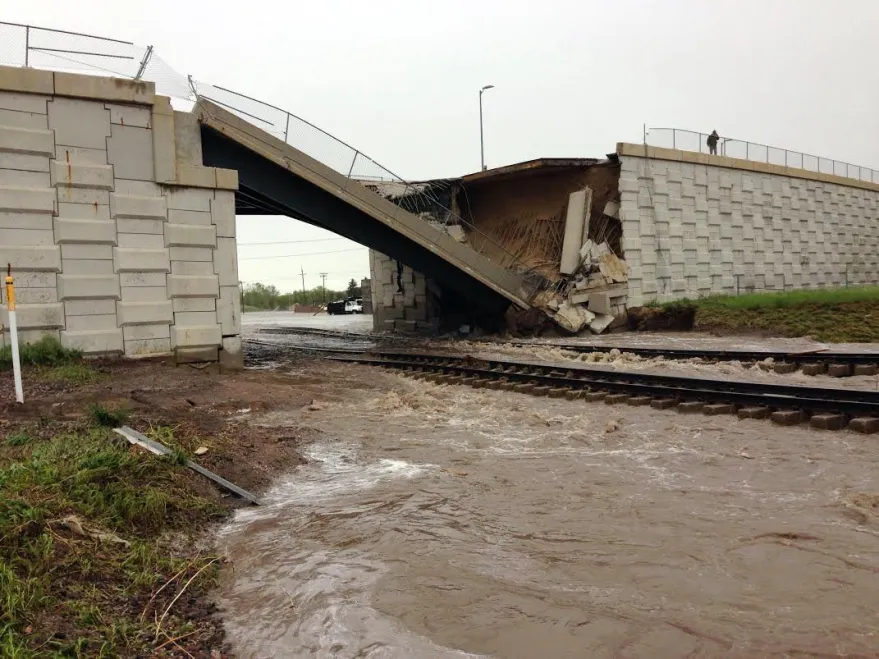
From May 24 to June 6, 2015, severe storms and flooding devastated parts of Johnson and Niobrara Counties in Wyoming. On June 3rd, a particularly intense thunderstorm caused the collapse of a critical overpass in the town of Lusk, Wyoming, redirecting floodwaters into town, where much of the infrastructure, homes, and businesses sustained major damage. Lusk is situated 22 miles west of the Nebraska State line. With approximately 1,500 residents, it is the primary population center of Niobrara County, the least-populated county in the least-populated state in the U.S.
The Challenge
Positioned along a key route to Mount Rushmore and the annual Sturgis Motorcycle Rally, Lusk sees tens of thousands of tourists each summer. The Rally is a late summer 10-day event in South Dakota that attracts roughly 500,000 attendees and generates an estimated $800 million in revenue annually. With the destruction of the bridge, traffic was rerouted, effectively cutting Lusk off from its main economic lifeline and placing immense strain on local businesses.
Solutions Delivered
Following a federal disaster declaration, NOVACES deployed disaster recovery and economic development experts to assist the Economic Development Administration’s (EDA) field operations in Lusk. Our team conducted in-depth research, analyzing traffic counts and sales tax data to quantify the disaster’s economic impact.
NOVACES then developed Recovery Support Strategies (RSS) aimed at revitalizing the local economy. These included:
Strategies to extend the tourism season
Community engagement initiatives to create new tourism-driven events and to extend the average length of stay in Lusk
Identification of systemic barriers to recovery, such as limited affordable housing and employment opportunities for healthcare workers’ families
Key Takeaways
NOVACES provided critical research and insights that enabled state and local leaders to make data-driven recovery and development decisions. Our efforts helped:
Quantify and communicate the economic losses due to the disaster
Facilitate coordination between federal and local recovery initiatives
Recommend actionable strategies to stimulate tourism and long-term economic resilience
Identify long-term needs such as workforce housing and healthcare staffing support